

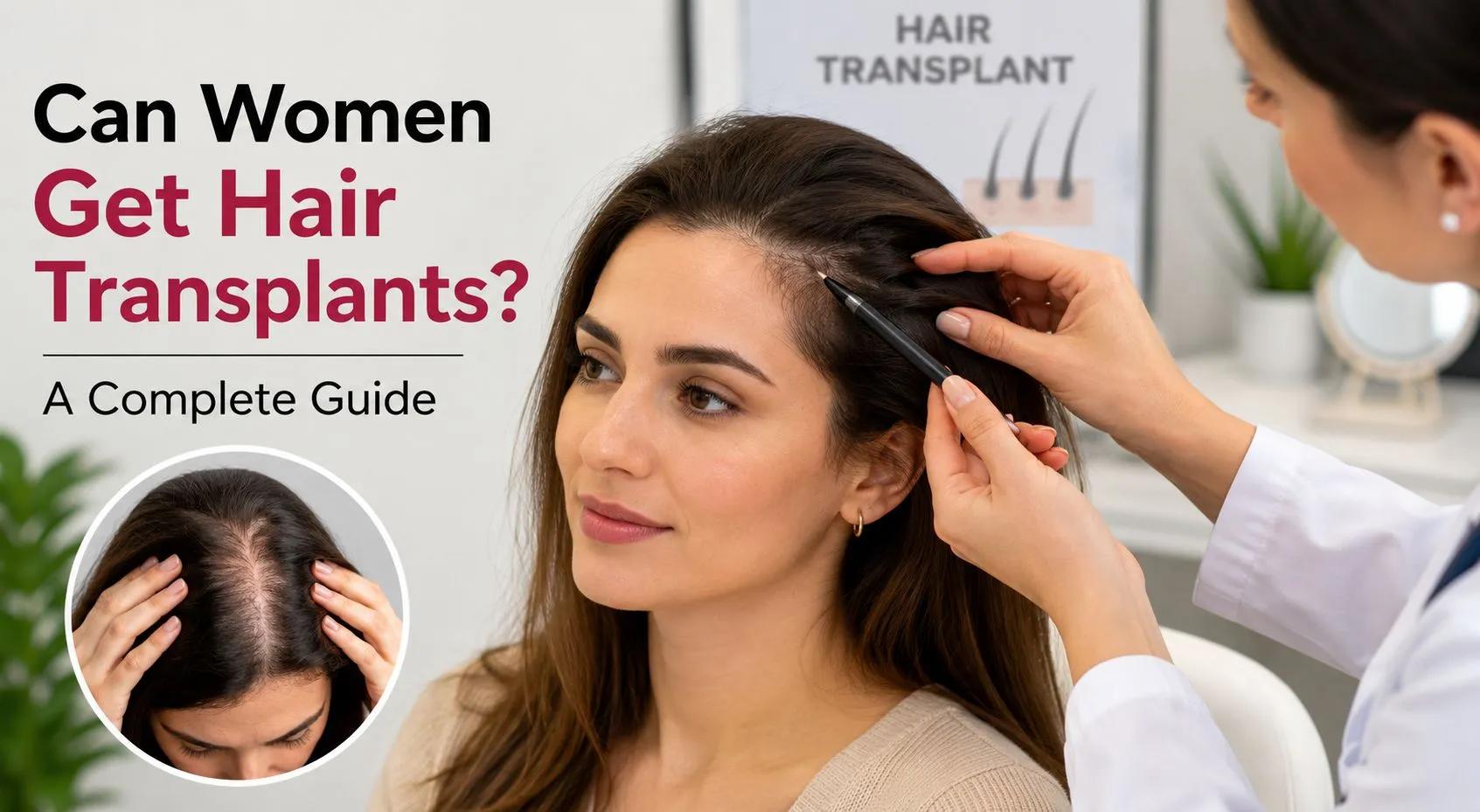
Hair loss is often seen as a problem that only affects men, but that's far from the truth. Thousands of women across the UK deal with thinning hair, receding hairlines, or bald patches every year, and many don't realise there's a real solution available to them.
The good news is that a women's hair transplant UK procedure is now a safe, effective, and widely available option for women who want to restore their natural hairline and regain their confidence. Unlike older myths suggesting hair transplants are only for men, modern techniques have made the procedure just as successful for women, with results that look completely natural.
Did You Know? Around one in three women will experience noticeable hair thinning at some point in their life. It's far more common than most people assume, yet women often wait years before seeking help simply because they feel embarrassed talking about it.
In this guide, we'll walk you through everything you need to know, from causes of female hair loss to what the transplant process actually involves, and how to choose the right clinic for your needs.
Why Do Women Experience Hair Loss?
Female hair loss can happen for many reasons, and understanding the cause is the first step toward finding the right treatment. Some of the most common reasons include:
Hormonal changes, especially during pregnancy, menopause, or due to conditions like PCOS
Genetic factors, which can lead to a condition called female pattern hair loss
Stress and lifestyle factors, including poor diet, lack of sleep, or high anxiety levels
Traction alopecia, caused by tight hairstyles like ponytails or braids worn over long periods
Medical conditions or medications, including thyroid issues or certain treatments like chemotherapy
It's worth remembering that hair loss in women often shows up differently than in men. Instead of a receding hairline, women usually notice overall thinning across the scalp, which can sometimes make diagnosis trickier.
So, Can Women Actually Get a Hair Transplant?
Yes, absolutely. Women are just as good candidates for hair transplants as men, provided they have enough healthy hair follicles in donor areas, usually the back or sides of the scalp. The procedure works by removing these healthy follicles and transplanting them into thinning or balding areas.
There are two main techniques used today: FUE (Follicular Unit Extraction) and FUT (Follicular Unit Transplantation). FUE tends to be more popular among women because it leaves minimal scarring and allows for quicker recovery, which matters since many women prefer to keep their natural hair length without shaving large areas of the scalp.
What Makes Female Hair Transplants Different from Male Ones?

While the basic technique is similar, female hair transplants require a more detailed approach. Women's hair loss patterns are often diffuse, meaning thinning happens across a wider area rather than one specific patch. This means surgeons need to plan more carefully, often working with smaller grafts and a more delicate placement strategy to blend with existing hair.
At The Skin and Hair Clinic, the team takes time to assess each woman's scalp, hair density, and growth pattern before recommending a treatment plan. This personalised approach is what helps achieve results that look completely natural, rather than forced or uneven.
Expert Insight Based on years of working with female patients, one pattern stands out clearly: women often delay treatment far longer than men do, usually out of fear or lack of awareness. By the time they seek help, hair loss has often progressed further than necessary. Early consultation almost always leads to better, more predictable results.
What Does the Procedure Involve?
A typical hair transplant journey includes a few key steps:
Initial consultation, where the surgeon examines your scalp and discusses your goals
Donor area assessment, to check if there's enough healthy hair to use
The transplant itself, which usually takes a few hours depending on the size of the area being treated
Recovery period, where mild swelling or redness may appear for a few days
Regrowth phase, where new hair starts appearing within three to four months, with fuller results visible after about a year
Most women can return to normal daily activities within a few days, though strenuous exercise should be avoided for a couple of weeks.
Common Mistakes Women Make Before Getting a Transplant
Choosing a clinic based on price alone instead of experience and results
Not getting a proper diagnosis of the actual cause of hair loss first
Expecting immediate results instead of understanding the natural growth timeline
Skipping aftercare instructions, which can affect how well the grafts settle
Pro Tip Before booking any procedure, ask to see real before and after photos of female patients specifically, since male and female results can look quite different due to differences in hair pattern and density.
Is a Women's Hair Transplant UK Procedure Right for You?
Not every case of hair loss requires a transplant. Sometimes, simpler treatments like PRP therapy or medication can help, especially if the hair loss is caught early. A proper consultation is the only way to know for sure which option suits your situation best.
That's why a thorough assessment matters so much. A good clinic will never push a transplant if it's not genuinely needed. Instead, they'll explain all your options honestly, including non surgical alternatives, so you can make an informed decision.
This is one of the reasons more women are now searching for trusted options like a women's hair transplant UK specialist who understands the unique nature of female hair loss, rather than applying a one size fits all approach borrowed from male treatments.
Take Control of Your Hair Loss Today
If thinning hair has been affecting your confidence, you don't have to live with it. The team at The Skin and Hair Clinic specialises in helping women understand their hair loss and find the right solution, whether that's a transplant or another treatment entirely.
Book a private, judgement free consultation today and get clear answers about what's really causing your hair loss and what can be done about it. Your hair, your confidence, your choice.
Frequently Asked Questions
Is a hair transplant painful for women?
The procedure is done under local anaesthesia, so most women feel little to no pain during the process. Some mild discomfort afterward is normal and manageable with simple pain relief.
How long do results from a female hair transplant last? Results are generally permanent, since transplanted follicles are usually resistant to the hormones that cause hair thinning in the first place.
Will a hair transplant look natural on women? Yes, when performed by an experienced surgeon, results blend seamlessly with existing hair, especially since female transplants focus on natural density and direction rather than a strict hairline shape.
How much does a hair transplant cost for women? Costs vary depending on the extent of hair loss and number of grafts needed. A consultation is the best way to get an accurate, personalised quote.
Can women with thin hair everywhere still get a transplant? It depends on donor hair availability. A specialist will assess whether there's enough healthy hair to redistribute effectively.
At what age can women get a hair transplant? Most clinics recommend waiting until hair loss has stabilised, often in the mid twenties or later, though this varies by individual case.